
Antifungals
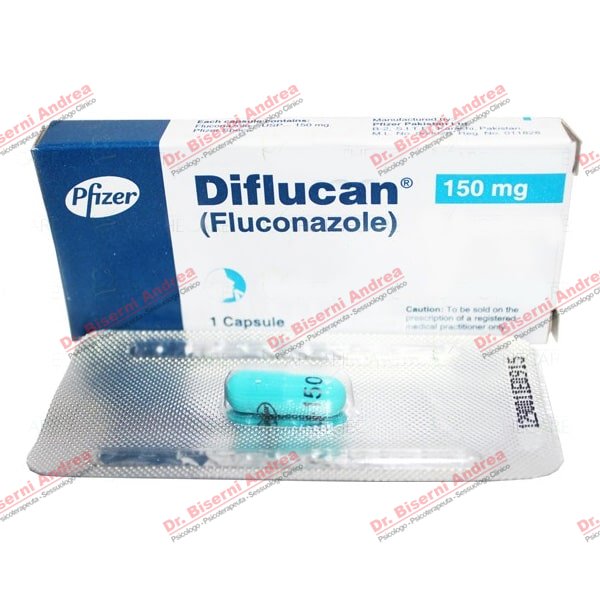
Fluconazole, from about $35, and the dose range across its indications is wider than almost anything else in this catalogue: a single 150 mg capsule for uncomplicated vaginal thrush, against several hundred milligrams daily for weeks in systemic infection. Buying the wrong pack for the wrong indication is the common error here.
For a first episode of vaginal candidiasis the single dose works for most people, and symptom relief lags the dose by a day or two — the second capsule people take on day two is usually unnecessary. Recurrent infection, four or more episodes a year, is a different problem that needs a longer suppressive course and, importantly, a look at why it recurs: undiagnosed diabetes is a recognised cause and is worth excluding before committing to months of antifungal.
Fluconazole’s interactions matter out of proportion to how benign a single capsule feels. It inhibits CYP enzymes strongly enough to raise levels of warfarin, phenytoin, some statins and — directly relevant to this catalogue — the PDE5 inhibitors in men’s health, where a reduced starting dose is the standard adjustment. It also prolongs the QT interval, which is why it is avoided alongside other QT-prolonging drugs. Liver function is monitored on long courses, and it is avoided in pregnancy at anything above the single low dose.
When the symptoms are not thrush at all
Itching and discharge are assumed to be candidiasis far more often than they are. Bacterial vaginosis, trichomoniasis, chlamydia and simple irritation from soaps, washing powders or shaving all present similarly, and none of them responds to fluconazole. A thin grey discharge with an odour points away from thrush; so does bleeding, pelvic pain or fever. Two failed capsules are a reason to be examined and swabbed rather than to take a third.
Recurrent episodes are a different problem
Four or more episodes in a year is treated as recurrent candidiasis, and it needs an induction course followed by weekly suppressive dosing for months rather than repeated single doses. It also needs a cause looked for: poorly controlled or undiagnosed diabetes, recent antibiotics, immunosuppression, and in some cases a non-albicans species that fluconazole does not reliably cover. Culture matters at that point, because treating the wrong species for six months achieves nothing.
Partners, pregnancy and timing
Thrush is not a sexually transmitted infection and routine treatment of a male partner does not reduce recurrence, so it is not recommended unless he has symptoms — balanitis responds to a topical antifungal. In pregnancy the position is different and firmer: oral fluconazole is avoided and a topical imidazole is used instead, because higher doses have been associated with fetal harm. That applies to anyone who could be pregnant, which is worth establishing before a capsule rather than after.
The interaction people take with it by accident
The single capsule feels too small to matter, which is exactly why it causes problems. Fluconazole inhibits CYP3A4 and CYP2C9 for several days, and the practical consequences are a raised INR on warfarin, higher statin levels with a real myopathy risk, and amplified effects from the tadalafil and sildenafil products in men’s health, where halving the starting dose is the standard adjustment. Anyone on warfarin, phenytoin, ciclosporin or a QT-prolonging drug should have the combination checked before taking it rather than afterwards.
Men, balanitis and the partner question
Candidal balanitis produces soreness, redness and sometimes a discharge under the foreskin, and it responds to a topical imidazole cream applied twice daily for a week in most cases. A single oral fluconazole capsule is an alternative where the skin is extensively involved or topical treatment has failed. What makes it worth a proper look rather than a guess is that recurrent balanitis is a recognised early presentation of diabetes, and that the same symptoms can be caused by irritation, eczema or a sexually transmitted infection. Treating a partner routinely does not prevent recurrence in her, but a man with symptoms is treated on his own account.
Medicines in Antifungals