Antivirals
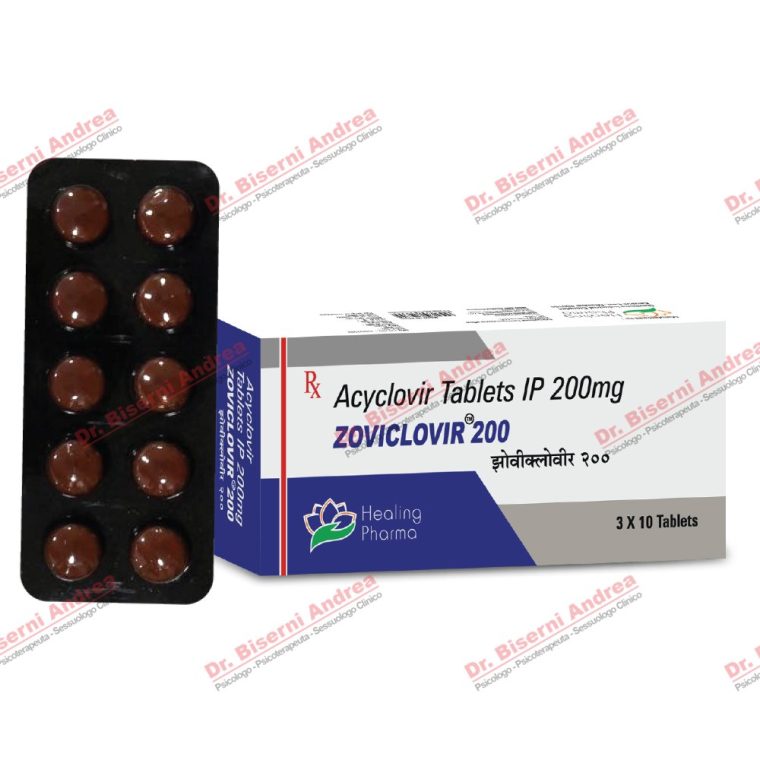
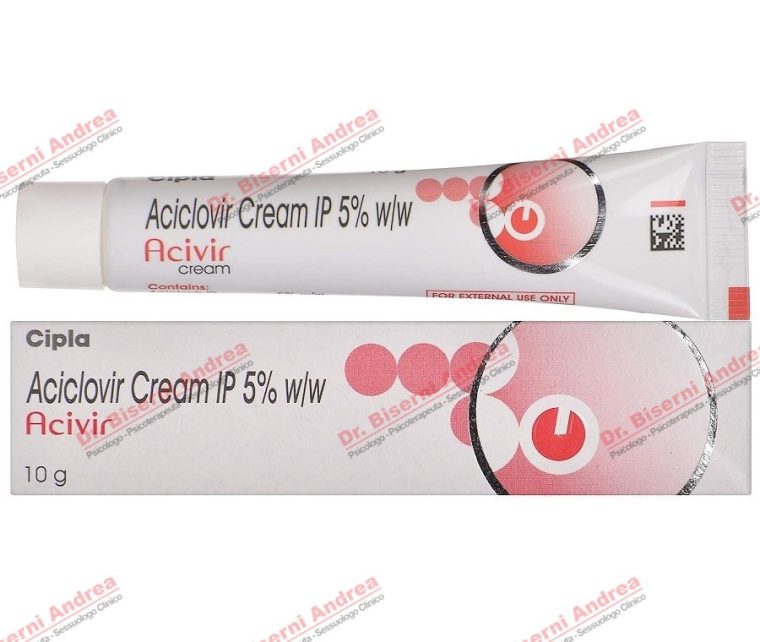
Four products built around two jobs: controlling herpes simplex and zoster, and preventing HIV before exposure rather than treating it after. Aciclovir tablets start near $22 and the 5% cream near $15.50 — the cream being the one genuinely useful over-the-counter item here, provided it goes on at the tingling stage rather than once the blister has formed.
Aciclovir does not eradicate herpes simplex. It shortens an episode and, taken continuously, reduces how often episodes happen; the virus stays in the nerve ganglion either way. That distinction matters because people stop the tablets when the lesion heals and conclude the medicine failed when the next outbreak arrives. Dosing differs sharply between a first episode, a recurrence and suppression, and between simplex and zoster — the shingles dose is several times the cold-sore dose, and starting it inside seventy-two hours of the rash is what determines whether it helps at all.
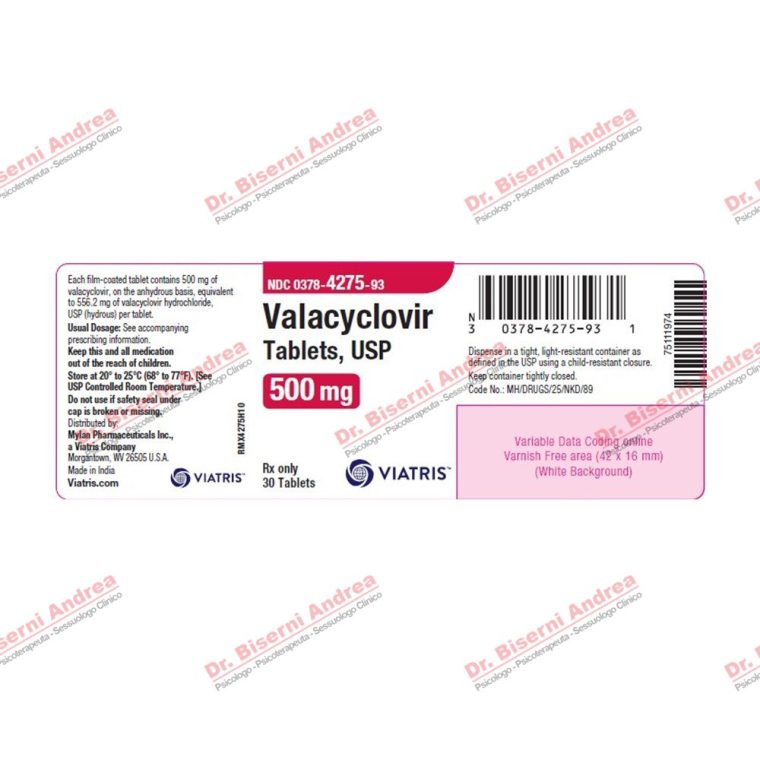
Valacyclovir is the same molecule with better absorption: a prodrug that becomes aciclovir in the body, with a bioavailability near fifty-five per cent instead of ten to twenty. The practical gain is the schedule — twice or once daily instead of five times a day — and one indication the older drug does not carry: daily dosing by the infected partner roughly halves the chance of passing genital herpes on.
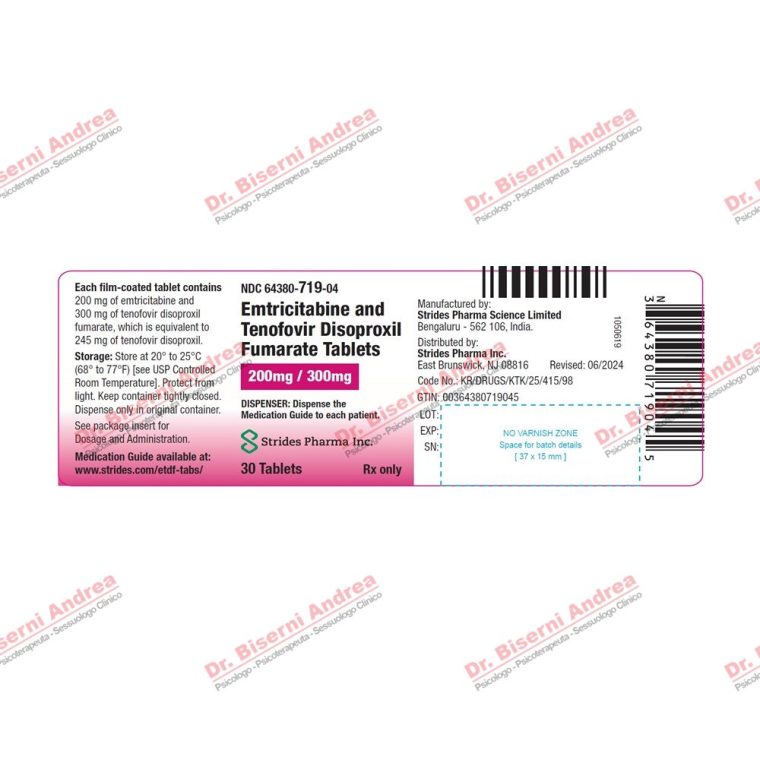
Emtricitabine with tenofovir belongs to a different kind of medicine entirely. Taken as pre-exposure prophylaxis it is close to completely effective against sexually acquired HIV, and it is the only product in this catalogue whose effectiveness depends as much on a testing schedule as on the tablet: an HIV test before the first dose, then every three months, with kidney function twice a year.
Timing is the variable that decides everything here
Every antiviral in this group works by interrupting replication, which means it works while the virus is replicating and does progressively less once it has stopped. For herpes simplex that window is the prodrome and the first day or two; for zoster it is the first seventy-two hours after the rash. Treatment started outside those windows is not harmful, it is simply much less useful.
The practical consequence is that people with recurrent herpes are often given a supply to keep at home, so treatment starts at the first symptom rather than after an appointment. That single change produces more benefit than any difference between the available antivirals. Prophylaxis works on the opposite logic: protection has to be established before exposure, which takes about seven days of daily dosing for anal exposure and around twenty for vaginal.
What these medicines do not do
They do not clear the virus. Herpes simplex and varicella zoster persist in nerve ganglia for life after a first infection, and no available treatment reaches them there. Suppressive dosing reduces how often episodes occur and how much virus is shed between them, which reduces transmission without eliminating it.
Pre-exposure prophylaxis has the same kind of boundary drawn in a different place: it covers HIV and nothing else. Gonorrhoea, chlamydia, syphilis, hepatitis C, HPV and herpes are all untouched by it, which is why the three-monthly review includes a full screen rather than one test. Those infections are treated with the agents in the antibiotics section.
When to be seen rather than self-treat
Any lesion involving or near the eye. Shingles affecting the face, particularly the tip of the nose, which signals risk to the eye. An outbreak in anyone significantly immunosuppressed, where lesions can become extensive. A first episode of genital herpes, which is more severe than recurrences and benefits from a longer course. And any rash that is spreading rapidly or accompanied by fever and systemic upset.
Fluid intake, kidneys and the higher doses
Aciclovir and valacyclovir are cleared by the kidneys and crystallise in the renal tubules when they arrive faster than urine can carry them away. At cold-sore doses that is close to irrelevant. At shingles doses it is the reason the advice to drink properly throughout the course is on the leaflet rather than in the small print. Older patients, anyone already dehydrated by the illness, and anyone with reduced kidney function are the groups where it matters most, and where the dose is often reduced for that reason. Tenofovir affects the kidneys by a different mechanism and is monitored for the same organ. Confusion, hallucinations or a marked drop in urine output during a course mean being seen rather than finishing the pack.
The part of a diagnosis that is not medical
A positive herpes result causes more distress than the lesions do, and it lands on sex rather than on health: avoidance, loss of desire, a conviction that disclosure will end any relationship. Risk behaviour around HIV prevention frequently has the same structure in reverse. Neither is addressed by a tablet, and both are the subject of the clinical sexology work described elsewhere on this site, where the first consultation is free.
Medicines in Antivirals