
Antibiotics
Four antibiotics, four mechanisms, and almost no overlap in what they are correctly used for. Doxycycline, azithromycin, ciprofloxacin and metronidazole each own a different part of the bacterial map, and in this catalogue the part that matters most is the genital tract — chlamydia, urethritis, pelvic infection, trichomonas, bacterial vaginosis and prostatitis between them account for most of the prescribing here.
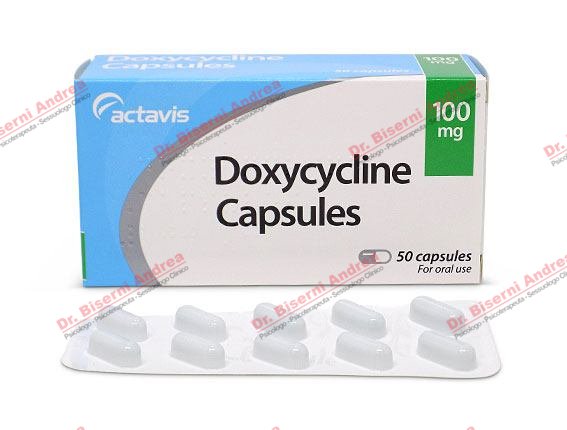
Doxycycline is first-line for chlamydia and the one that holds for atypical organisms and tick-borne disease. It is also the one that must not be taken lying down or alongside milk, antacids or iron — calcium binds it in the gut and oesophageal irritation is a real risk. Azithromycin’s short course exists because the drug stays in tissue long after the last tablet, not because the infection is milder. Ciprofloxacin is kept in reserve: the fluoroquinolone class carries tendon and nerve warnings serious enough that regulators have restricted its use, and in this catalogue its main role is bacterial prostatitis, where it penetrates prostatic tissue in a way most alternatives do not. Metronidazole handles anaerobes and several parasites — trichomonas and bacterial vaginosis in practice — and taking it with alcohol produces a reaction unpleasant enough that the warning is not decorative.
Two rules apply across all four. The course is as prescribed, because stopping when symptoms clear is the main driver of resistance at the individual level. And none of them touch a virus; genital herpes needs the agents in the anti viral section, and HIV prevention is a different conversation again. This is the part of the catalogue where a prescription check matters most, because the right answer depends on an organism nobody can guess from a symptom list.
Why a partner is part of the prescription
For a sexually transmitted infection, treating one person and not the other produces reinfection, not cure, and it is the commonest reason a second course is needed. Current partners are treated regardless of whether they have symptoms, because most chlamydia and a good share of trichomonas is silent. Sex waits until both have finished treatment — seven days after a single-dose regimen, or the end of the course for the multi-day ones.
Testing again afterwards is not routine for every infection, but it is for some, and the interval matters: a test of cure done too early picks up dead organism and reads positive. The prescriber who chose the drug is the person who sets that date.
How to choose between them without a culture result
Most prescribing is empirical: the organism is not known, and the choice follows the likely pathogen for that site plus local resistance patterns. That is why the same symptom gets a different antibiotic in different countries, and why a leftover pack from a previous illness is a poor guide.
What a patient can usefully bring to that decision is history. Previous reactions and what they actually involved — a rash a week in is not the same as swelling within an hour. Recent antibiotic courses, since resistant organisms persist for months afterwards. Travel, which changes the likely pathogens. Pregnancy and breastfeeding, which rule several of these out. And current medication, because warfarin, methotrexate and several cardiac drugs interact meaningfully with more than one agent in this group.
Finishing, stopping and what to do if it is not working
Improvement is expected within forty-eight to seventy-two hours for most of these. No improvement by then means the organism is probably not susceptible, and the answer is a review rather than more of the same or a longer course. Worsening, a spreading rash, breathlessness or confusion means being seen the same day.
Chronic prostatitis is the exception that breaks the pattern: courses run four to six weeks, improvement is gradual, and a fair proportion of cases turn out to have no infection at all. In that group more antibiotics is the wrong answer, and pelvic pain with its sexual consequences — painful ejaculation, avoidance, erectile difficulty — is what actually needs treating.
Leftover antibiotics go back to a pharmacy rather than into a drawer. A part-course taken later for something it was never chosen for is the single commonest misuse of these medicines at household level.
Diarrhoea afterwards, and the kind that is not ordinary
Loose stools during or after a course are common and usually settle without anything being done. What is not ordinary is diarrhoea that is watery and frequent, comes with abdominal pain or fever, or starts up to eight weeks after the antibiotic has finished. That pattern suggests Clostridioides difficile, which follows ciprofloxacin and other broad-spectrum agents most often and is treated with a different antibiotic rather than with anti-diarrhoeal medicines, which can make it worse. Probiotics have modest evidence for prevention and none for treating it. Severe diarrhoea after antibiotics is a reason to be assessed, not a reason to wait it out.
Thrush after a course, and why it is predictable
Broad-spectrum antibiotics clear the bacteria that keep candida in check, and vaginal thrush a few days after a course is the result in a substantial minority of women. It is treated with fluconazole rather than with another antibiotic. In men the equivalent is a sore, red glans, which responds to a topical antifungal. Neither is an allergy to the antibiotic, and neither means the original infection is still there.
Medicines in Antibiotics