Women's Health
Four products covering three unrelated problems: ovulation that is not happening, desire that has gone, and sex that has started to hurt. They are grouped only by who takes them, and treating them as interchangeable is the main error in this section — a woman whose problem is pain will get nothing from a drug aimed at desire, and vice versa.
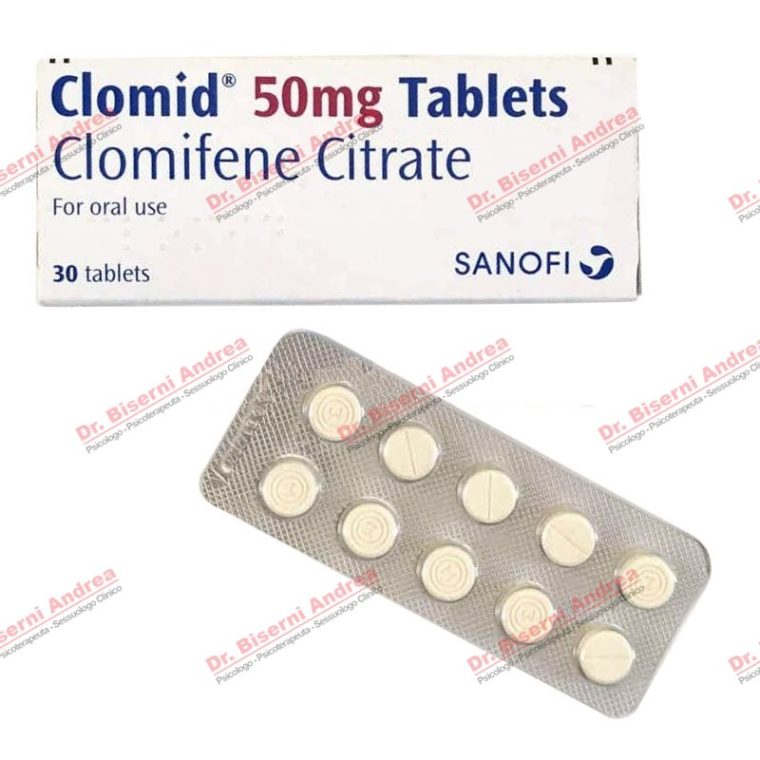
Clomiphene triggers ovulation in women who are not ovulating regularly. It is normally taken for five days early in the cycle, and it is monitored — the reason for monitoring is multiple pregnancy and ovarian hyperstimulation, neither of which announces itself early. Using it without a baseline assessment of why ovulation is not happening is how a treatable thyroid or prolactin problem gets missed for a year.
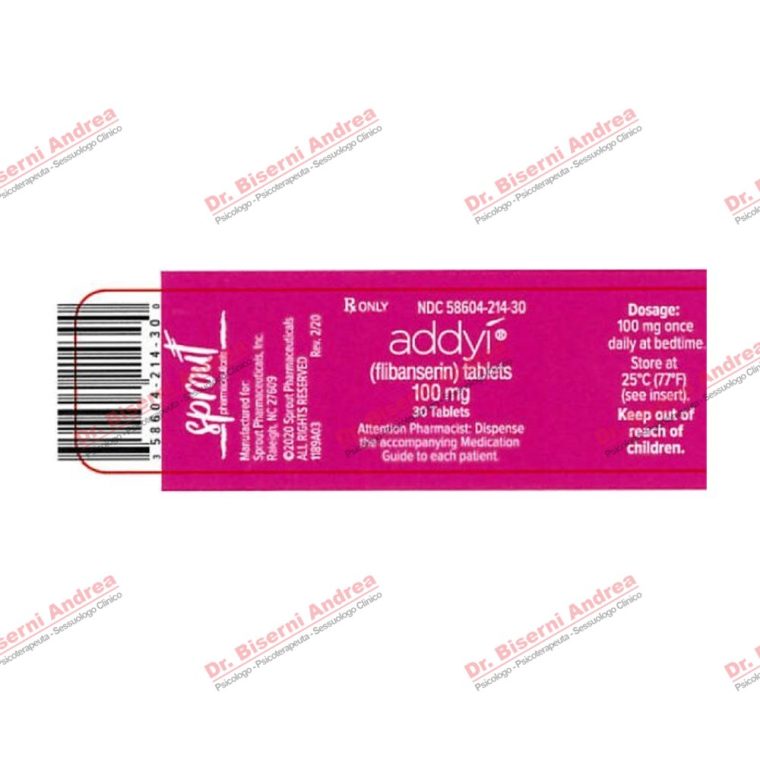
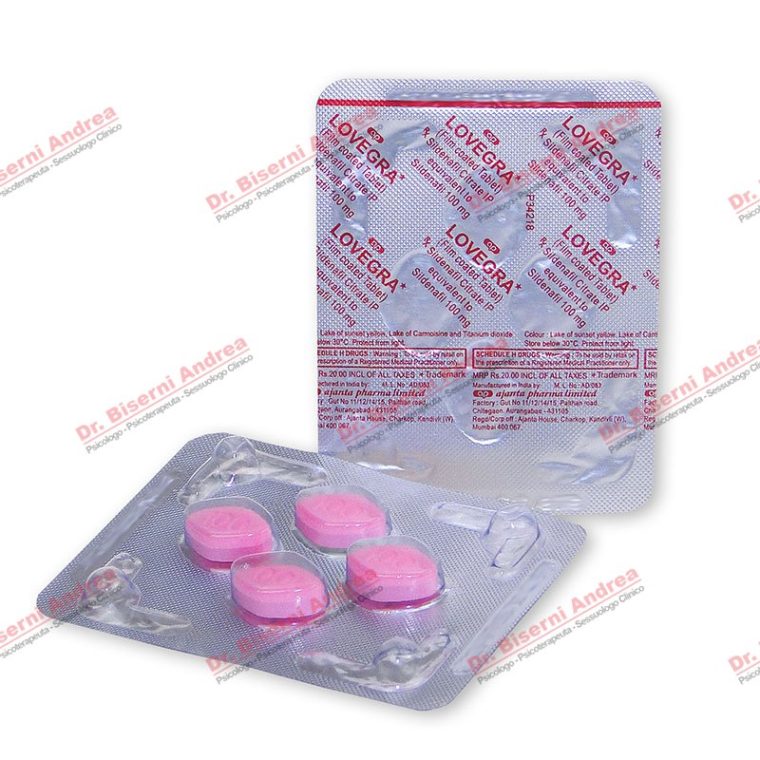
Flibanserin is the only drug here licensed for low sexual desire, and only for acquired, generalised loss of desire in premenopausal women. It is taken nightly, acts on brain receptors rather than on blood flow, and is judged at eight weeks — a schedule that disappoints anyone expecting the female equivalent of a tablet taken an hour before sex. There is no such thing, and the sildenafil preparation marketed to women is not it: its evidence base for female sexual dysfunction is considerably weaker than the male data, and it addresses arousal rather than desire.
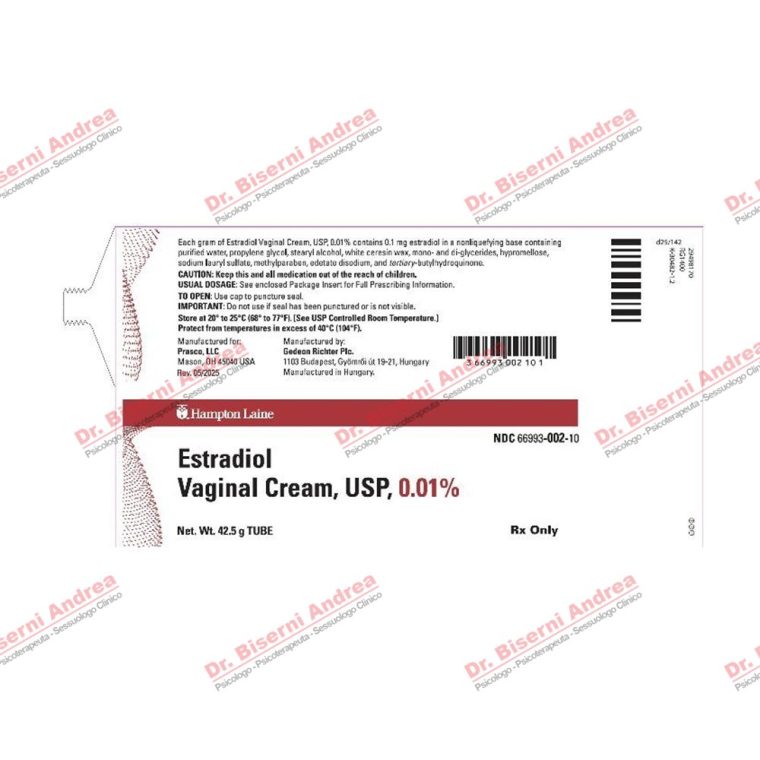
Vaginal estradiol treats the one cause of painful sex that is most often mistaken for lost desire. After menopause, falling oestrogen thins the vaginal wall and reduces lubrication; intercourse becomes sore, then dreaded, and the conclusion drawn is that desire has gone. Local oestrogen reverses the tissue change over six to twelve weeks, with a fraction of the systemic exposure of hormone therapy taken by mouth.
Which problem is actually being treated
The order of questions decides the treatment. Does sex hurt? If so, pain is the target and desire will follow once it stops, because nothing is wanted while the body expects to be hurt. Is desire absent everywhere, or only with one partner? Generalised loss points at biology or at medication; situational loss points at the relationship and responds to clinical work rather than to a prescription. Did it start when a drug was started? SSRIs are the leading pharmacological cause, and the fix is the antidepressant rather than a second tablet.
For ovulation induction the first question is different again: why is ovulation not happening. Thyroid dysfunction and raised prolactin both cause anovulation, both show on a blood test, and both are treated by correcting the cause rather than overriding it. Polycystic ovary syndrome is managed differently, and ovarian insufficiency does not respond to clomiphene at all. Semen analysis belongs in the same first round of tests, because male factor accounts for roughly a third of difficulty conceiving.
What monitoring looks like in practice
On clomiphene: ultrasound follicle tracking from around day ten, which is what manages the multiple pregnancy risk, and a mid-luteal progesterone to confirm that ovulation actually occurred. Without the second of those, a woman can complete six cycles without knowing whether the drug did anything.
On flibanserin: an eight-week decision point written into the prescribing information, plus the alcohol rule — nothing to drink in the two hours before the dose — and a check on any other medicine that lowers blood pressure or is cleared by the same liver enzyme. On vaginal oestrogen: an annual review, the lowest effective amount, and immediate reporting of any bleeding after menopause, which needs investigating regardless of what caused it.
The part that gets left out
Fertility treatment puts sex on a schedule, and scheduled sex under scrutiny is where desire and spontaneity go. Erectile difficulty appearing for the first time during a treatment cycle is common, recognised, and nothing to do with the woman’s medication. Pain during sex, whatever its cause, is similarly common and similarly under-reported, and it is treatable.
Pain concentrated at the entrance, reproducible with a fingertip, and accompanied by a reflex tightening of the pelvic floor is not an oestrogen problem at all: that is vaginismus or provoked vestibulodynia, and it needs graded physical work rather than a cream. Those are clinical problems in their own right, covered by the clinical sexology and couple therapy page, where the first consultation costs nothing.
Desire in a couple is rarely one person’s symptom
A difference in desire between two partners is the commonest presentation in this area and the one least well served by a prescription, because the lower-desire partner is usually the one who gets treated while the pattern between them is what changed. Where a drug is appropriate it works better alongside that work than instead of it, and where it is not, the prescription simply moves the problem. That is the judgement the first consultation is for.
Medicines in Women's Health