
$32.60
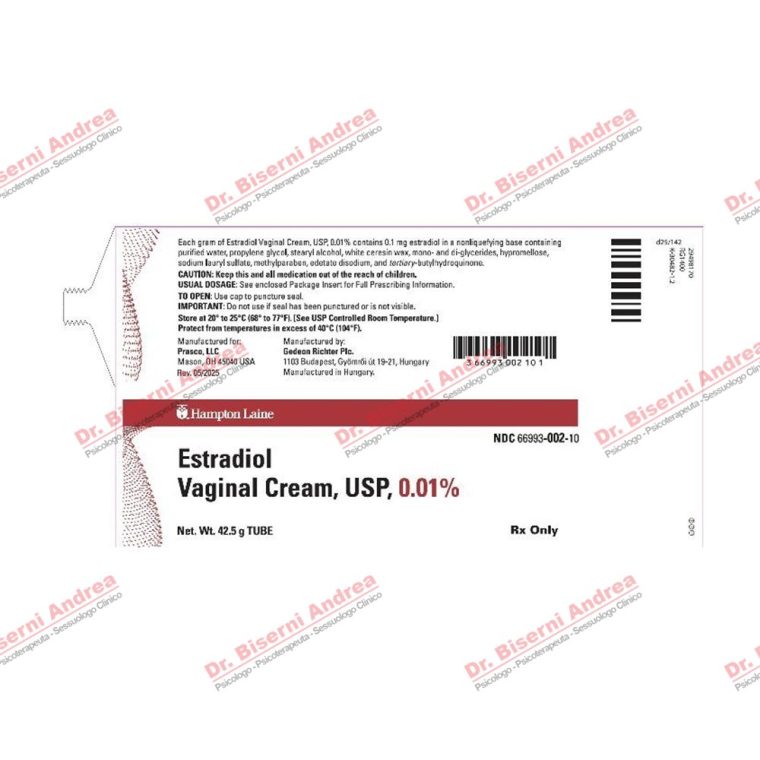
Estradiol vaginal cream for painful sex after menopause
- estradiol
- Vaginal cream
- 0.01%
- Prescription only
Estradiol vaginal cream treats the one cause of painful sex that reliably gets mistaken for lost desire. After menopause, falling oestrogen thins the vaginal wall, reduces lubrication and shortens the canal; intercourse becomes sore, then dreaded, and the woman concludes she no longer wants it. Oestrogen applied locally reverses the tissue change in six to twelve weeks. It is not the same drug as hormone replacement taken by mouth, and the dose that reaches the bloodstream is a small fraction of it.
Dose, and the taper that most people miss
The standard regimen has two phases. Initial treatment is a measured applicator dose daily, or on most days, for two weeks — long enough to restore the epithelium. Maintenance is the same dose two or three times a week, indefinitely, because the tissue change returns within months of stopping.
It is inserted at bedtime, lying down, so that it stays where it is put. The applicator is the dose-control device: estimating by eye is how women end up using several times what is needed, and the amount of oestrogen absorbed systemically scales with how much is applied.
Improvement follows a predictable order. Dryness eases first, within two or three weeks. Pain on penetration takes six to eight. The sense of wanting sex again, where it had gone, comes last and only after the pain has stopped, because desire does not return while the body is still expecting to be hurt.
Prices by pack
Indicative prices in US dollars. One tube covers the two-week initial course and several weeks of maintenance after it.
| Pack | Estradiol 0.01% |
|---|---|
| 1 tube (42.5 g) | $32.60 |
| 2 tubes | $58.90 |
| 3 tubes | $83.40 |
| 6 tubes | $156.70 |
How much of it gets into the blood
This is the question that decides whether a woman uses it at all, and the answer is reassuring with one condition attached. At recommended doses, systemic absorption is low — serum oestradiol stays within or near the postmenopausal range — which is why local treatment is considered acceptable in many women who cannot take systemic hormone therapy.
The condition is that the labelling still carries the class warnings applied to all oestrogens: endometrial cancer, cardiovascular events, breast cancer and dementia, derived from systemic therapy. Regulators and specialist societies differ in how strongly they apply those warnings to low-dose vaginal preparations, and that disagreement is honest rather than resolved. What follows from it in practice: use the lowest effective amount, review annually, and report any vaginal bleeding immediately, because bleeding after menopause needs investigating regardless of what caused it.
Who should not use it
Undiagnosed vaginal bleeding rules it out until the cause is known. So do current or past breast cancer, oestrogen-dependent tumours, active or recent venous thromboembolism, arterial thromboembolic disease and significant liver disease. Women with a history of breast cancer taking an aromatase inhibitor are the hardest case and the one that genuinely needs an oncologist's view rather than a pharmacy's.
Two practical notes. Latex condoms and diaphragms can be weakened by the cream base, so barrier contraception and this product do not combine well on the same night. And a woman with an intact uterus using only low-dose vaginal oestrogen does not normally need added progestogen — but that is a judgement tied to the dose used, not a blanket rule.
When dryness is not the problem
Non-hormonal lubricants and vaginal moisturisers help with friction and do nothing for the tissue itself; they are a reasonable first trial and a poor long-term answer where the epithelium has thinned. Pain concentrated at the entrance, reproducible with a fingertip, and accompanied by a reflex tightening of the pelvic floor is vaginismus or provoked vestibulodynia, and oestrogen will not touch it: that needs physiotherapy and the kind of graded work described on the clinical sexology page, where the first consultation is free.
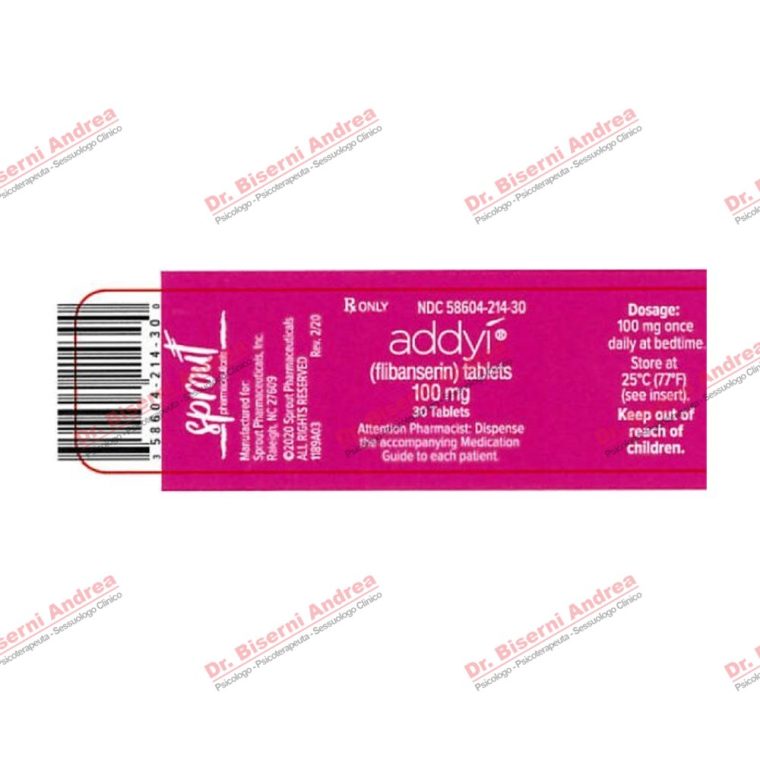
Low desire with no pain at all is a third thing again, and in premenopausal women with distressing loss of desire flibanserin is the only licensed drug. Where an antidepressant is the cause, the fix is the antidepressant — bupropion is the usual substitution. The rest of this section is listed under women's health.
Questions people actually ask
Is this the same as HRT?
No. Systemic hormone therapy treats hot flushes, bone loss and whole-body symptoms; this treats the vaginal tissue, with a small fraction of the systemic exposure. Some women need both, many need only this.
How long until sex stops hurting?
Six to eight weeks for most women, with dryness improving sooner. If there is no change at twelve weeks, the pain probably has a second cause.
Do I have to use it forever?
To keep the benefit, yes, at the maintenance frequency. The tissue change is driven by the hormone being absent, so it returns when the treatment stops.
Can I use it with a condom?
Not on the same occasion with latex, which the cream base can weaken. Apply it at bedtime on non-intercourse nights, or use a non-latex barrier.
The label these figures come from
Dosing, absorption data, class warnings and contraindications follow the FDA prescribing information for estradiol vaginal cream, and the management of genitourinary syndrome of menopause follows the NICE guideline on menopause. This page is information, not a prescription; postmenopausal bleeding needs assessment, not a cream.
Related medicines
Where the facts about Estradiol Vaginal Cream come from
Estradiol Vaginal Cream: the strengths, the dosing, what the vaginal cream form changes, the contraindications and the interaction warnings set out above are the ones in the approved labelling for estradiol — the current FDA label in DailyMed — read against the European product information where this molecule is licensed in the EU. Where a figure here differs from the one in your own pack insert, the insert for the pack you hold is the document to follow.
Estradiol Vaginal Cream touches desire, arousal and pain during sex, and that part of the page was read before publication by Dr. Andrea Biserni, psychologist, psychotherapist and clinical sexologist, Ordine degli Psicologi della Toscana n. 3572 sez. A (verify in the national register). The milligrams were not: he is not a prescriber, and the dosing and safety wording for estradiol stays as the regulator wrote it.
How ordering works
Packs of Estradiol Vaginal Cream run from $32.60 to $156.70. The figure covers the medicine, the pharmacist check and tracked delivery; customs charges raised at the destination are not. Dispatch and tracking are set out under shipping and delivery, what can and cannot come back under returns and refunds, and the contract itself in the terms of sale.
Prices quoted for Estradiol Vaginal Cream are indicative; the amount charged is confirmed in writing before any payment is taken. As a prescription-only medicine it is never dispatched without a valid prescription from a licensed prescriber — send it through the prescription service and a pharmacist checks it against the strength and quantity before release. Nothing here replaces advice from your own doctor or pharmacist about estradiol, and the studio does not diagnose or prescribe by e-mail.