
Antidepressants
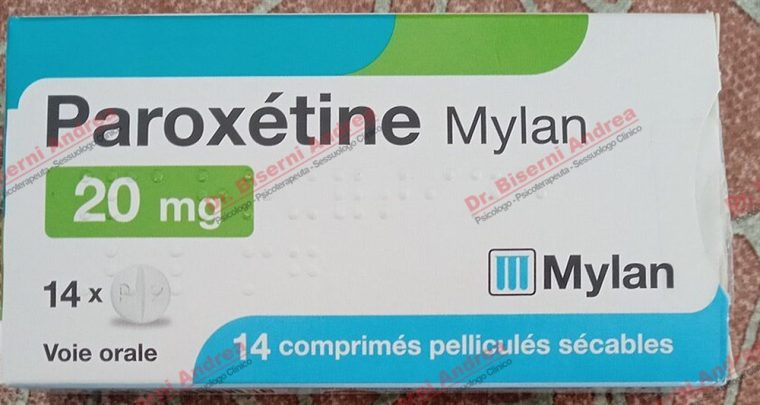
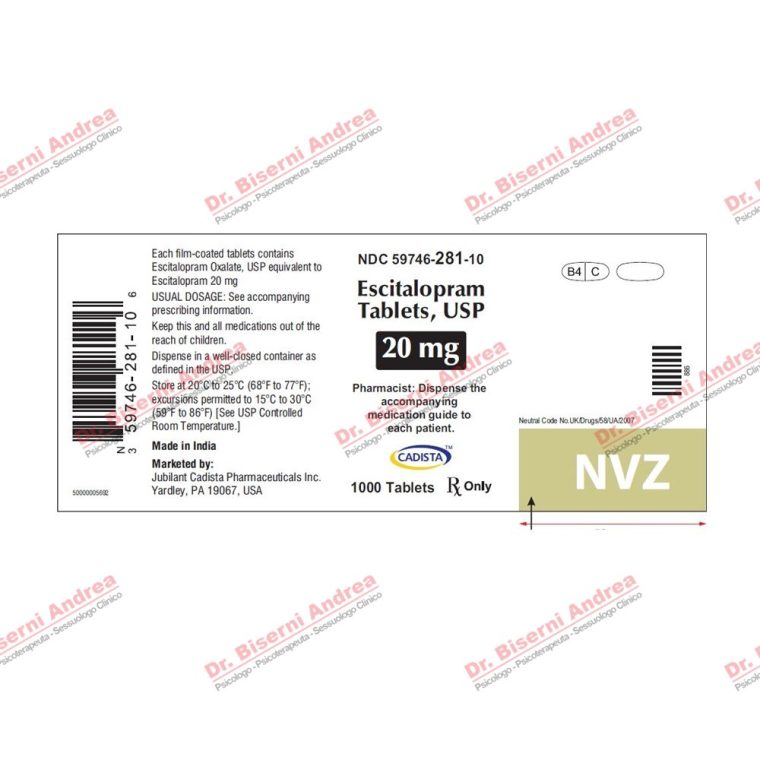
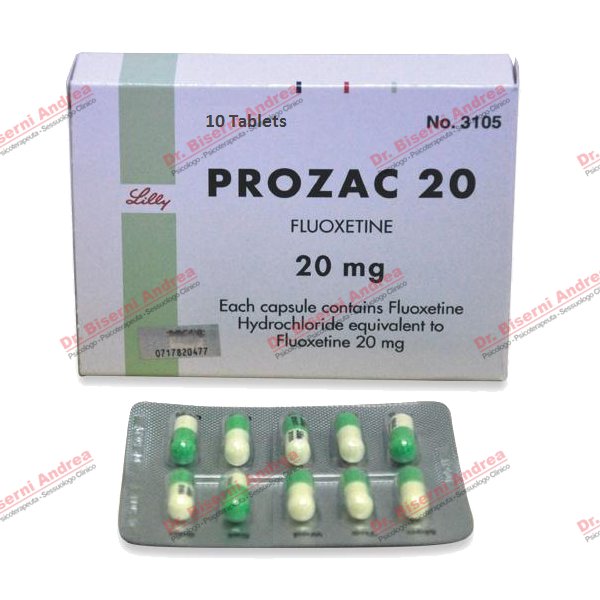
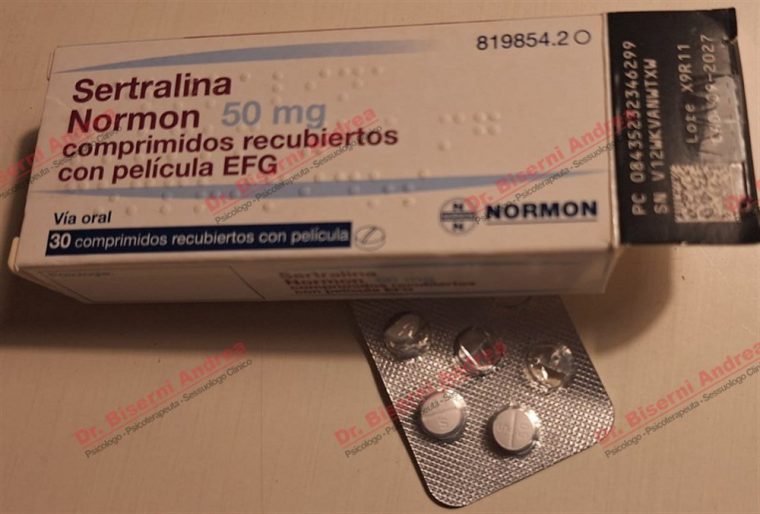
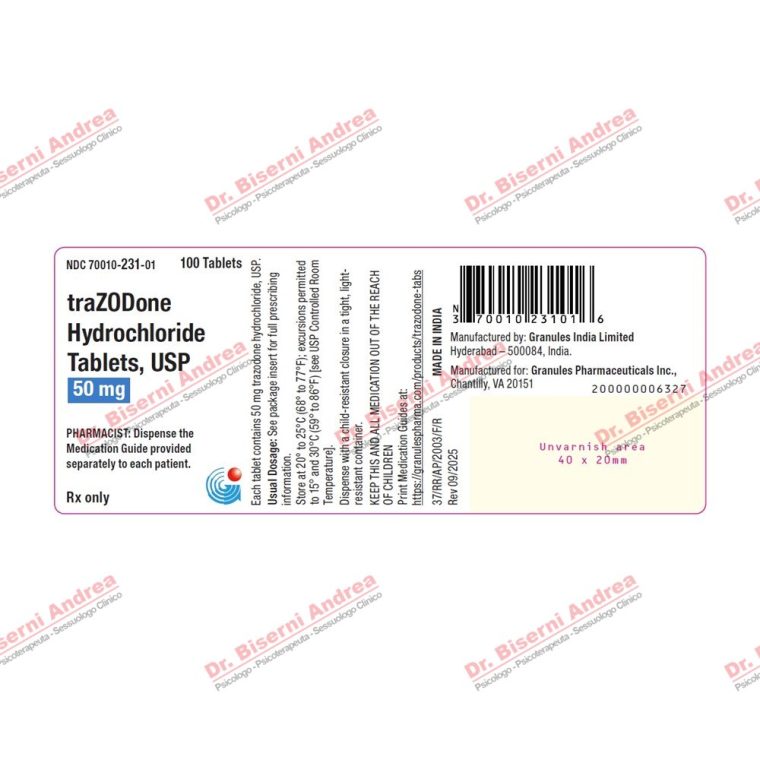
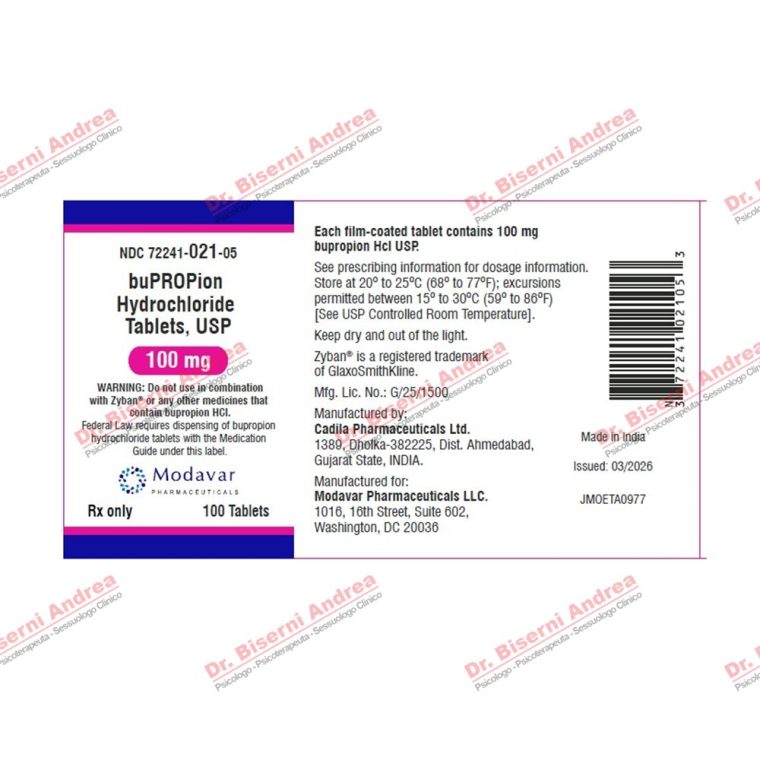
Seven medicines that are grouped together because they all act on mood through serotonin, noradrenaline or dopamine — and that differ from each other most sharply in what they do to sex. Fluoxetine, sertraline, paroxetine and escitalopram are SSRIs. Clomipramine is a tricyclic. Trazodone sits in a class of its own, sedating and taken at night. Bupropion acts on dopamine and noradrenaline and is the only one in the group that leaves sexual function alone.
That difference is not a footnote. Between a third and a half of people taking an SSRI report reduced desire, delayed orgasm or no orgasm at all, and it is the commonest unspoken reason a course of treatment that was working for mood gets abandoned. Three of the medicines here — sertraline, paroxetine and clomipramine — are prescribed off-label for premature ejaculation precisely because of that effect, at doses and schedules that have nothing to do with their psychiatric use.
All of them share the same opening problem: nothing happens for two to four weeks and side effects arrive first. Nausea, disturbed sleep and early restlessness are common in the first fortnight and usually settle. Stopping in week two because it is not working is the most frequent reason treatment fails, and stopping abruptly after months produces discontinuation symptoms — worst with paroxetine, gentlest with fluoxetine, which has the longest half-life in the group.
None of these should be combined with an MAOI, and combinations with other serotonergic drugs — tramadol, triptans, St John’s wort — carry a serotonin syndrome risk that a pharmacist will check for.
What the first month actually looks like
The order of events is reversed compared with most medicines: side effects arrive first, benefit arrives weeks later. The SSRIs typically produce nausea, disturbed sleep and sometimes increased anxiety in the first fortnight, with mood change appearing at four to six weeks. Bupropion tends to produce insomnia and dry mouth early and is activating rather than sedating, which suits fatigue and worsens anxiety. Trazodone does the opposite and is chosen when broken sleep is the dominant symptom.
Knowing that in advance is the difference between a course that is completed and one abandoned in week two. It is also why a dose increase in the first fortnight is almost always premature.
Monitoring and what to report quickly
In the first month, any new agitation, marked worsening of mood, or thoughts of self-harm warrants contact the same week rather than at the next appointment — particularly in anyone under twenty-five, where the warning applies across the group. A sudden shift into unusually elevated mood or energy is also worth reporting, since it can indicate a bipolar disorder that treatment has unmasked.
Two drug-specific points. Escitalopram and trazodone prolong the QT interval, which caps the dose in older patients and rules out some combinations. Bupropion lowers the seizure threshold, which excludes anyone with a seizure history or a past eating disorder.
Sexual side effects, and the four things that can be done about them
Waiting works for a minority, since some cases settle after two or three months. Reducing the dose works where the response was achieved at the top of the range. Switching molecule works, and bupropion is the standard move because it causes sexual dysfunction at roughly the rate of placebo. Adding buspirone has modest evidence and is used when the current drug is working too well for mood to risk changing it.
What does not work is silence. Stopping treatment without saying why is the worst of the available options and the most common. Where the sexual difficulty predates the medication rather than following it, the clinical sexology route is the relevant one, and the first consultation at this studio costs nothing.
Coming off, when the time comes
None of these is stopped abruptly after months of use. Discontinuation symptoms — dizziness, electric-shock sensations, irritability, disturbed sleep — are frequently mistaken for relapse, and the distinction matters: they appear within days and fade over weeks, while relapse builds over weeks and keeps going. Paroxetine is the hardest to leave because of its short half-life and absent active metabolite; fluoxetine is the easiest. A taper over at least four weeks, longer after years of treatment, is the usual approach, and it is planned with the prescriber rather than improvised when a pack runs out.
Medicines in Antidepressants